A guest sends an enquiry because they are interested in staying at your hotel. They have already done some work: they found you, looked at the property, checked the dates and decided that the hotel is worth asking about.
Then they receive an email that says:
“Thank you for your enquiry. We are pleased to confirm availability from 12 to 15 October. The rate is €240 per night, breakfast included. Total: €720.”
Everything is correct. Nothing is being sold.
This is one of the quieter problems in hotel sales because the quotation looks perfectly professional. The dates are there. The room is there. The price is there. Perhaps cancellation terms and payment instructions are included as well.
From an administrative perspective, the job is done. From a commercial perspective, the guest has been handed a number and asked to decide whether it is worth paying.
That distinction matters.
The quote arrives at a very specific moment
By the time a guest asks for a quote, the hotel is no longer trying to create awareness. The guest has already moved further down the decision-making process.
They may have shortlisted three properties. They may be comparing your answer with two others that arrived ten minutes earlier. They may have spent half an hour looking at your photographs, reading reviews and trying to understand whether the hotel fits the trip they have in mind.
The enquiry itself is a signal of intent. If that intention disappears after the quote, something happened between interest and decision. The price may be part of the explanation, but it is not necessarily the whole explanation.
This is why treating an enquiry as an administrative request can be so expensive. A guest asking “How much would it be for these dates?” is not necessarily asking for a number in isolation. They are trying to establish whether the stay they are considering makes sense.
The quotation is one of the last opportunities the hotel has to help them answer that question.
Instead, many hotels send the equivalent of a booking-system output. The room. The dates. The rate.
Then silence.
A price has no meaning on its own
€240 per night can be expensive, reasonable or remarkably good value depending on what the guest believes they are buying.
The number itself cannot create that context.
This does not mean dressing up an expensive room with adjectives or filling an email with promotional language. “Your unforgettable luxury escape” is not a value proposition. It is usually just another sentence the guest has to ignore.
Value comes from making the relationship between the price and the experience easier to understand.
Perhaps the room has a private terrace overlooking something that matters to this particular guest. Perhaps the property is exceptionally small and quiet. Perhaps the location means the guest can reach the places they came to visit without spending an hour in a car each day. Perhaps breakfast is built around local producers and is part of the reason the hotel feels connected to its destination.
The point is not to invent reasons to justify the price. The point is to recognise which existing reasons matter to the person who has just asked to stay.
This connects directly with the larger question of what guests actually value. If the hotel has never established why particular guests choose it, it becomes very difficult to communicate value at the moment when someone is deciding whether to spend their money.
The quotation should continue the conversation
There is another problem with the standard hotel quote: it often behaves as though the enquiry never happened.
The guest may have written, “We are coming for our anniversary and would love somewhere quiet, preferably with a room where we can sit outside.”
The reply says:
“Deluxe Double Room, 3 nights, €720.”
The information is accurate. The conversation has disappeared.
A commercially useful response would acknowledge what the guest actually told you. If the property has a room that fits what they described, explain why. If the terrace is particularly suitable for the kind of stay they mentioned, say so. If another room would be a better fit, explain that rather than simply presenting the cheapest or most available option.
This is not about personalisation for its own sake. It is about demonstrating that the hotel understood the request.
That can be particularly important for independent hotels because personal attention is often part of what they claim makes the property different from a larger, more standardised alternative. If the first meaningful human interaction feels like a generic rate sheet, the commercial promise starts to lose credibility.
The quotation is therefore part of the guest experience.
It is also part of the brand.
The cold quote problem
There is a strange contradiction in hotel enquiries.
The guest may have discovered the hotel through a warm, carefully constructed brand experience. They have seen the photographs, read the story, explored the rooms and perhaps spent time on the website trying to imagine themselves there.
Then the hotel sends a cold quote. The tone changes completely. The website says, in effect, “Here is a particular place, with a particular character, and this is what staying here feels like.” The email says, “Three nights × €240 = €720.”
The guest is suddenly left to connect the two.
That gap matters because the booking decision does not happen in two separate worlds. The perceived value created by the website has to survive the enquiry and quotation process.
If the quote strips away all the context that made the hotel attractive in the first place, the hotel has unintentionally reset the conversation around price.
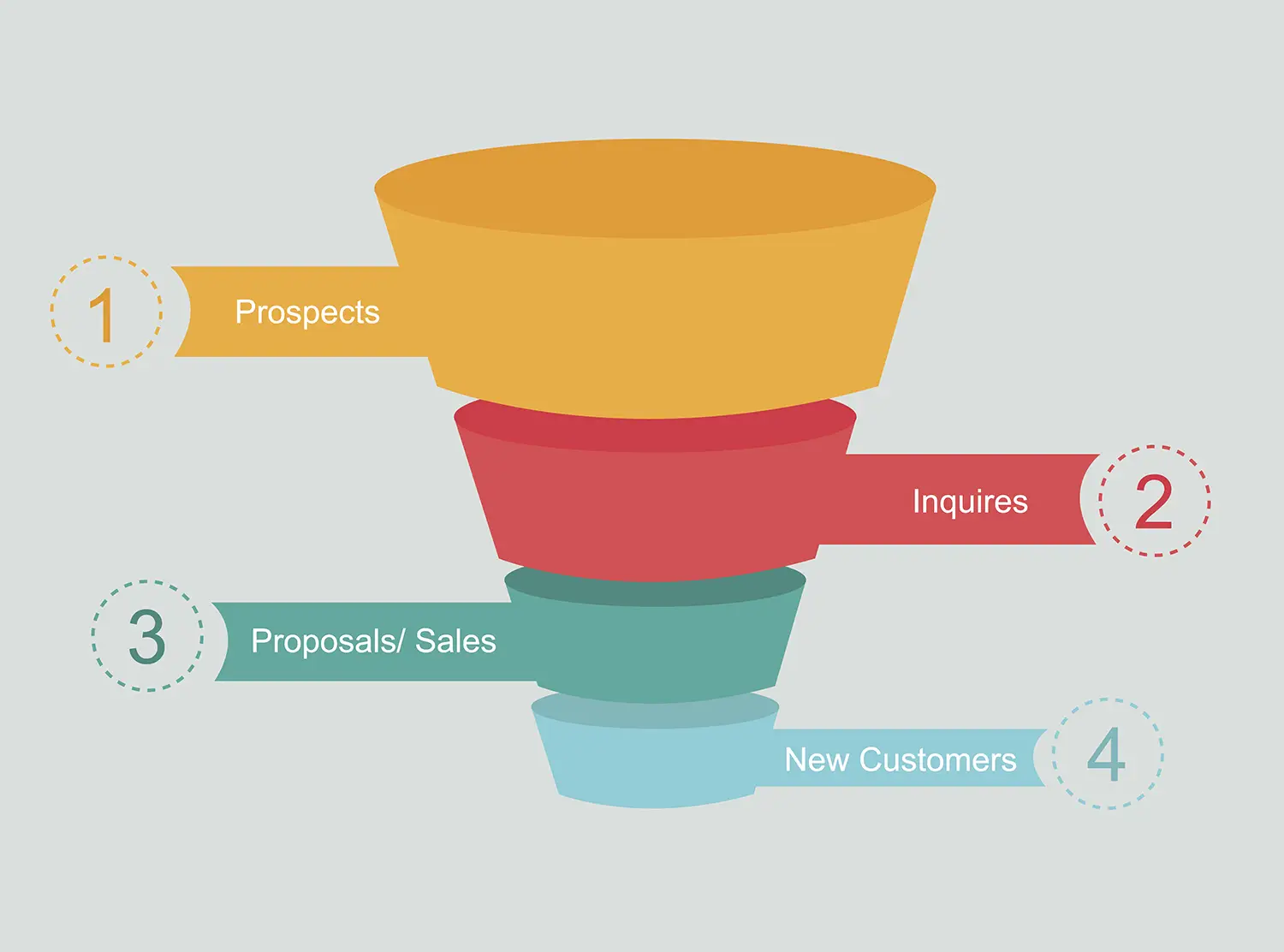
This is one reason the direct booking funnel needs to be considered as a whole. A hotel can have a strong website and still lose demand once the guest moves into email. The leakage does not necessarily occur at the point where the enquiry is submitted; it can happen in the response itself.
The same problem appears when hotels answer enquiries correctly but fail to sell. The distinction is small on paper and significant in practice.
A quote is not a brochure
There is a temptation to solve the problem by making quotations longer. That can make things worse.
A guest who has asked for availability does not necessarily need another brochure. They need help making a decision.
The useful information is therefore selective. What room is available? Why does it fit the request? What is included? What matters about the location or experience? What are the relevant conditions? What should the guest do if they want to proceed?
The answer will differ from hotel to hotel and from enquiry to enquiry.
A couple asking about a three-night anniversary stay may need a different explanation from someone asking about a week-long hiking trip. A returning guest may need almost no explanation at all. Someone comparing several hotels may need much more clarity about what makes the property different.
The mistake is assuming that every quote should contain the same amount of information because every quote is generated by the same process.
The more useful question is what information helps this guest decide.
The price comparison trap
Once the quote has reduced the hotel to a room type, dates and price, comparison becomes extremely easy.
€720.
€660.
€810.
€695.
The guest can create a spreadsheet if they want. The hotel has made the decision wonderfully efficient.
This is not necessarily what an independent hotel wants.
Price comparison is inevitable in many booking situations, particularly when OTAs are involved. The problem is allowing the direct channel to reproduce the same logic.
A hotel should have reasons for being chosen that cannot be reduced to a number.
Those reasons do not need to be grand. They simply need to be relevant and credible.
If the guest sees the same room, the same destination and the same basic inclusions everywhere, the direct quote has very little room to create preference. If the hotel has a distinctive proposition but fails to carry it into the enquiry conversation, the advantage disappears at exactly the wrong moment.
This is also why the relationship between direct bookings and OTA dependence is more complicated than simply deciding that OTAs are expensive. An OTA may be doing a better job of helping the guest understand and compare the offer than the hotel itself.
The direct channel needs to earn its role in the decision.
What should the guest be able to understand after reading the quote?
Not simply:
“This room costs €720.”
The guest should have enough context to answer a more useful question:
“Why does this stay make sense for the trip I am planning?”
Sometimes the answer will be obvious because the enquiry already contains the information. Sometimes the hotel needs to ask another question before quoting. Sometimes there may be two suitable room options, and explaining the difference can help the guest choose rather than forcing them to compare specifications.
This is where the quotation becomes part of selling without becoming salesy.
You are not trying to persuade someone to buy something they do not want. You are helping someone who has already expressed interest understand the value of the choice they are considering.
There is an important difference.
A good quote can even make the price feel more expensive while making the decision easier. If the guest understands exactly what they are paying for, there is less ambiguity around the number.
A vague quote can do the opposite. It may contain a lower price, but leave the guest wondering what they are actually getting.
The objective is not to make €720 look like €500, but to make €720 mean something.
The quote also reveals what the hotel believes it is selling
This is perhaps the most interesting part.
Look at a hotel’s quotation template and you can often see its commercial priorities.
Some quotes are almost entirely operational. They contain dates, room categories, rates and conditions. Others talk about the experience but in generic terms: beautiful surroundings, exceptional service, unforgettable stay.
A smaller number connect the specific request to the specific value of the property.
That difference tells you something about the hotel’s positioning.
If the hotel cannot explain why a particular guest should choose it without falling back on price, amenities or generic hospitality language, the quotation is exposing a problem that probably existed before the enquiry arrived.
The quote did not create the weakness. It revealed it.
That is why changing the email template can sometimes improve conversion, but it can also expose a deeper issue. If the hotel does not have a sufficiently clear reason to choose, there may be very little for the sales conversation to communicate.
Understanding why a guest should choose your hotel in the first place is therefore more fundamental than improving the wording of the quotation. The quote is simply where that positioning becomes commercially testable.
A hotel can say anything it wants on its homepage. The enquiry response is where the guest asks, in effect, “Fine. Now show me why I should spend my money here.” The answer cannot just be a price. It has to connect the price to something the guest actually wants. And if the hotel cannot make that connection, the problem may not be the quotation at all. It may be the fact that the hotel has never properly decided what its guests are supposed to be buying.