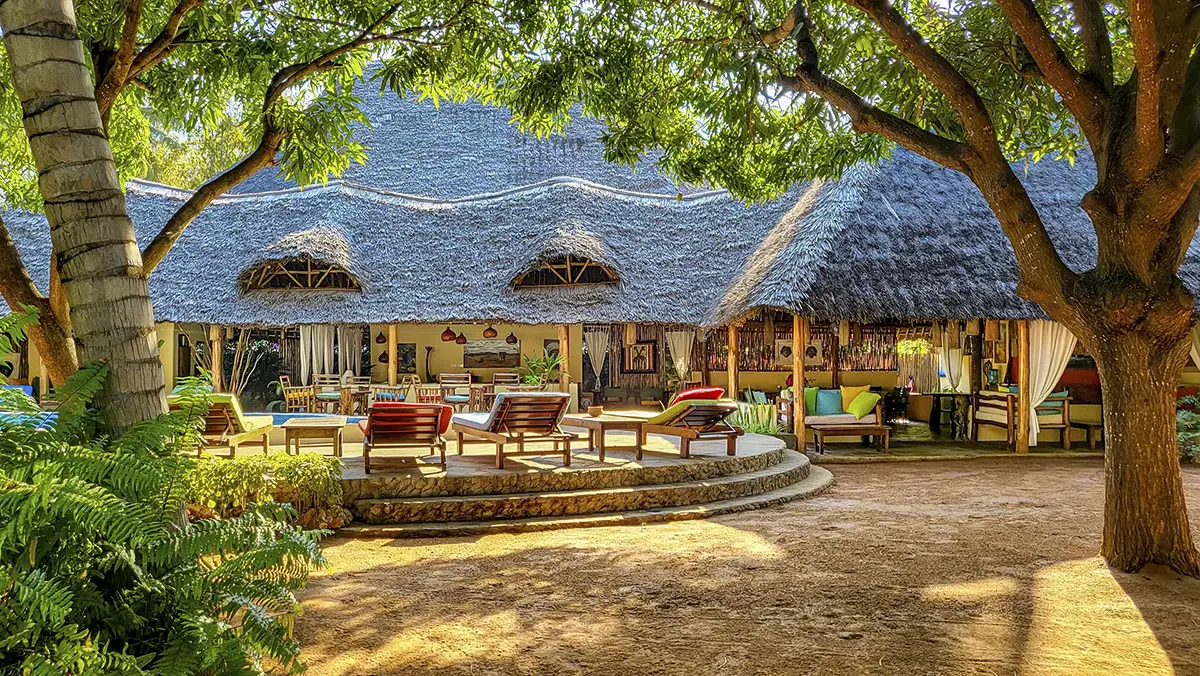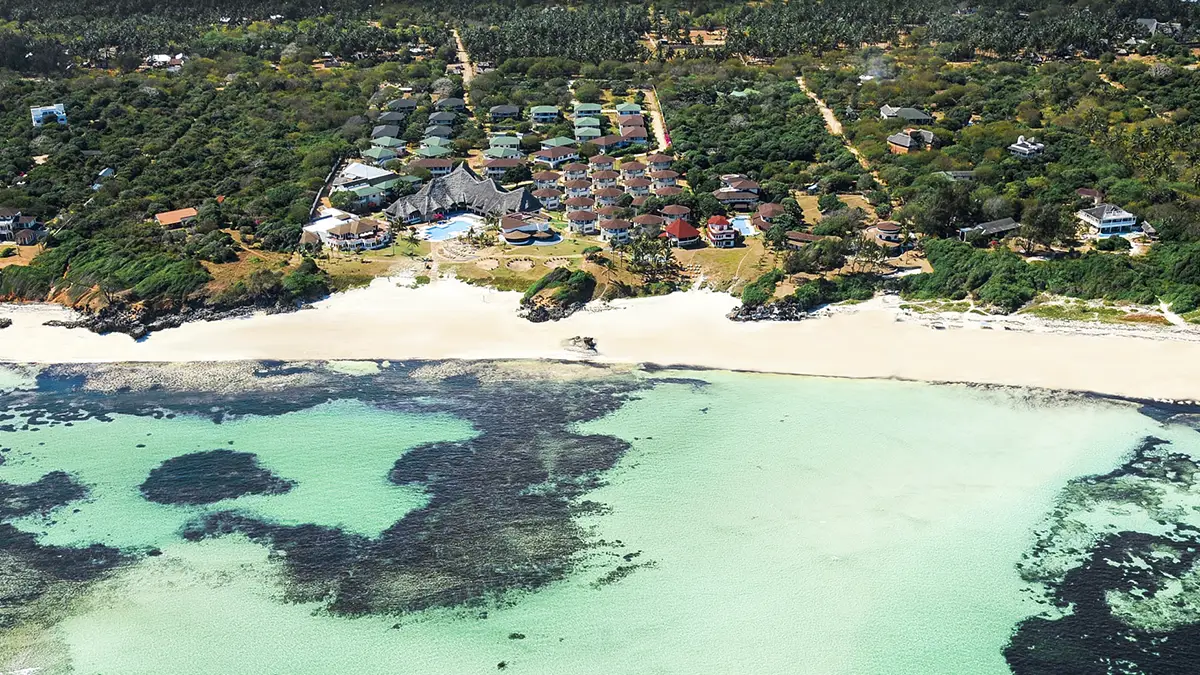
Step 1: Extractive branding and hub centralization
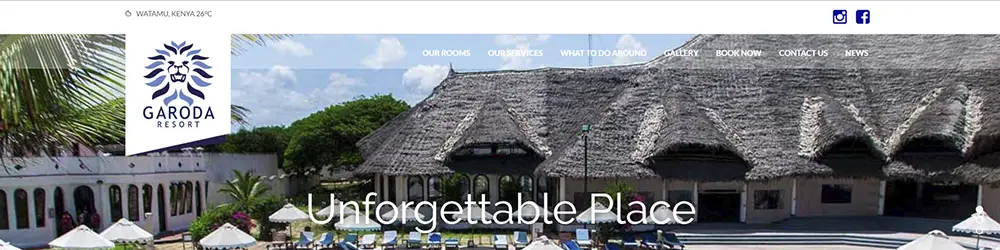
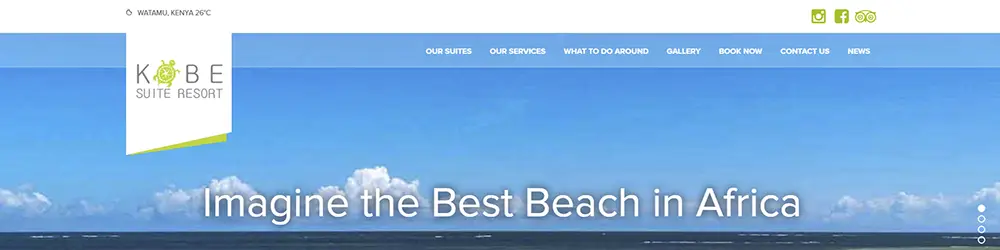
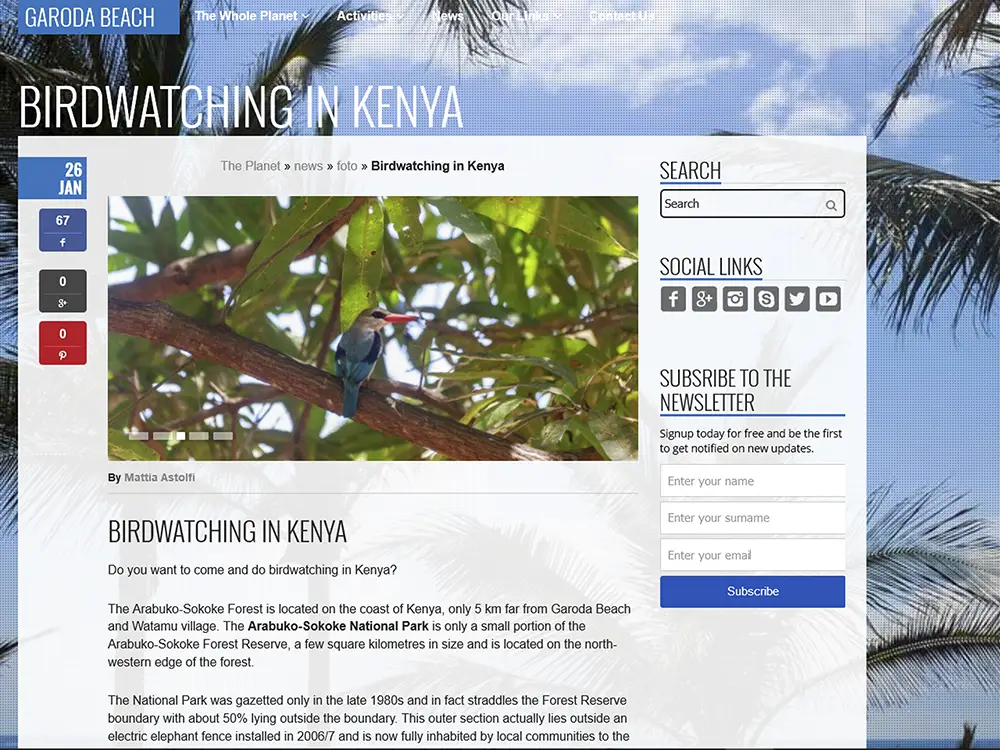
Instead of scattering distribution lines, we unified the digital presence under a single, proprietary central shell: garodabeach.com. The web architecture centralized the three separate offerings while maintaining consistent visual brand equity (identical theme and structural layout). This projected immediate corporate solidity to the international market.

Step 2: Surgical channel pruning
We ran an analytical audit on the leads generated by external networks and ruthlessly cut underperforming platforms. External distribution was compressed into three high-intent visual channels used strictly as “scroll stoppers”: Facebook, Instagram, and YouTube.
Step 3: Product validation and operational narrative
We stopped selling physical rooms and started broadcasting the actual daily craft of the properties. We engineered two recurring editorial columns:
Chakula Chema: Showcasing internal culinary culture, chef expertise, and behind-the-scenes operations.
100% Natural: Highlighting customized detox offerings, botanical knowledge, and local wellness formulations served on-demand.
The narrative was entirely driven by descriptive video assets and raw staff interviews, establishing a familiar relationship with global travelers prior to arrival.
Step 4: Search-driven destination authority
International travelers will not book a property if they lack confidence in the destination. We bypassed traditional ads and turned YouTube into a territorial search-intent engine to dismantle mainstream media narratives. We produced cornerstone video assets resolving real destination doubts: tidal movements, inland safaris, local marine conservation efforts, and specialized birdwatching operations in the Arabuko-Sokoke forest.
Execution Metrics
Commercial performance proved that organic market authority outperforms massive advertising spend, even during geopolitical volatility:
Total Ad Spend: $0.
Distribution Mix: Shifted from 90% traditional tour operator dependency to 60% direct and autonomous bookings via the proprietary Hub.
Organic Audience Reach: 50,000+ targeted weekly users with a stable engagement rate between 15% and 20%.
Video Retention: A 66% audience retention rate matching the average duration of YouTube assets.
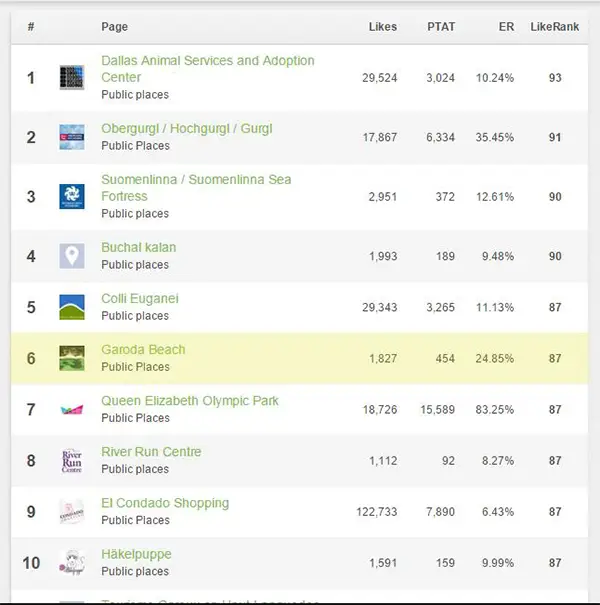
Global Benchmarking: The hub secured the 6th position worldwide among public destination pages on the LikeAlyzer analytical index.
The Operational Lesson: Algorithms Do Not Forgive Silence
This project offers critical empirical proof detailed in our corporate manual The No-Fluff Brand: market authority is a system of constant operational maintenance. During the seasonal closing period, ownership requested a complete suspension of the blog and social broadcast schedule to lower internal overhead.
The algorithmic penalty was swift and severe: within 75 days of editorial silence, the property dropped 583 positions in search relevance rankings. The project was never reactivated. When you stop feeding your proprietary Hub with high-value content, the market forgets your brand, and the platforms do not forgive.
Is your positioning intact, or are you giving away margins to OTAs?
If you manage an independent property with a strong identity and want to replicate this disintermediation model, contact us for strategic consulting.